What is going on with the East Alton Rotary Club? We will cover it here, along with all sorts of other interesting and off-kilter stuff that will inform, enlighten and amuse you.
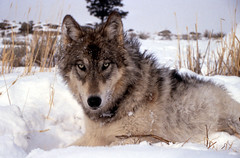
When wolves let loose with their lonely-sounding howls, they are actually expressing loneliness rather than acting on pure instinct, as researchers long thought. That’s the conclusion of animal behaviorists at the University of Veterinary Medicine in Vienna, who experimented with members of a captive wolf pack by taking each member of the pack out for a walk, one at a time, and observing the howls of the wolves left behind while testing their levels of the stress hormone cortisol. They found that all of the wolves howled—and showed signs of stress—when the pack leader left their sight. But the wolves also howled particularly long during the absence of the “preferred partners that they play with, groom, and lie close to when sleeping,” study author Friederike Range tells ScienceMag.org. Those howls, it seems, were a way of asking for companionship, rather than pure expressions of stress. “Social relationships are very important to them,” Range says, “and the howling patterns reflect that.”


No comments:
Post a Comment